Good luck with your work in the coming week, and tune in next week for another prompt or suggestion.
Music Credit: Aaron Shapiro
731
A writing podcast for writers and curious readers, featuring interviews with authors, poets, agents and editors. Twice chosen as one of Writer’s Digest Magazine’s 101 Best Website for Writers. Vermont-grown.

5 days ago
5 days ago
11 min
On Objects and Imagery in Prose
Audio from Shelagh's Substack, The Silent G (shelaghvt.substack.com)

Jul 13, 2026
Jul 13, 2026
7 min
What would you go back and change, if you could?
Audio from Shelagh's Substack, The Silent G (shelaghvt.substack.com)

Jul 13, 2026
Jul 13, 2026
7 min
https://shelaghvt.substack.com/All the talk of our 250th anniversary as a nation has me wanting to write about patriotism.
Audio from Shelagh's Substack, The Silent G (shelaghvt.substack.com)

Jun 16, 2026
Jun 16, 2026
7 min
The Utility of Misunderstandings in Fiction
Audio from Shelagh's Substack, The Silent G (shelaghvt.substack.com)

Jun 6, 2026

May 18, 2026
May 18, 2026
7 min
Some thoughts on the art of M.C. Escher and fiction that defies expectation
Audio from Shelagh's Substack, The Silent G (shelaghvt.substack.com)

May 7, 2026
May 7, 2026
8 min
A Meditation on the Silent G. Kind of like a title track!
Audio from Shelagh's Substack, The Silent G (shelaghvt.substack.com)

Apr 20, 2026
Apr 20, 2026
5 min
Two lessons from a long-ago conversation.
Audio from Shelagh's Substack, The Silent G (shelaghvt.substack.com)
Apr 7, 2026
Apr 7, 2026
10 min
Take a Break... Or make one. On retreats.
Audio from Shelagh's Substack, The Silent G (shelaghvt.substack.com)

Mar 23, 2026
Mar 23, 2026
11 min
Audio from Shelagh's Substack, The Silent G (shelaghvt.substack.com)
As I'm no longer producing Write the Book: Conversations on Craft, I'll be posting my occasional substacks here in audio format. I hope you enjoy them! Thanks for listening and subscribing, dear friends.

Mar 9, 2026
Mar 9, 2026
9 min
AWP: a conference for people in dire need of bookmarks.
Audio from Shelagh's Substack, The Silent G (shelaghvt.substack.com)
Feb 23, 2026
Feb 23, 2026
9 min
What to do with our notes, photos, and memorabilia...and why we kept it all in the first place.
Audio from Shelagh's Substack, The Silent G (shelaghvt.substack.com)

Feb 9, 2026
Feb 9, 2026
7 min
In answer to my last post; a look at how we deal when others don't love our work. And who should we be writing for, anyway?
Audio from Shelagh's Substack, The Silent G (shelaghvt.substack.com)

Jan 26, 2026
Jan 26, 2026
13 min
On why some of us love books that others do not.
Audio from Shelagh's Substack, The Silent G (shelaghvt.substack.com)

Jan 12, 2026
Jan 12, 2026
11 min
Audio from Shelagh's Substack, The Silent G
As I'm no longer producing Write the Book: Conversations on Craft, I'll be posting my occasional substacks here in audio format. I hope you enjoy them! Listen and subscribe at shelaghvt.substack.com Thanks, friends!

Dec 29, 2025
Dec 29, 2025
11 min
Audio from Shelagh's Substack, The Silent G
As I'm no longer producing Write the Book: Conversations on Craft, I'll be posting my occasional substacks here in audio format. I hope you enjoy them! Listen and subscribe at shelaghvt.substack.com Thanks, friends!

Dec 15, 2025
Dec 15, 2025
8 min
Audio from Shelagh's Substack, The Silent G
As I'm no longer producing Write the Book: Conversations on Craft, I'll be posting my occasional substacks here in audio format. I hope you enjoy them! Listen and subscribe at shelaghvt.substack.com Thanks, friends!

Dec 3, 2025
Dec 3, 2025
7 min
Audio from Shelagh's Substack, The Silent G .
As I'm no longer producing Write the Book: Conversations on Craft, I'll be posting my occasional Substacks here in audio format. I hope you enjoy them! Listen and subscribe at shelaghvt.substack.com Thanks, friends!
"If Only" Photo Credit: Greg Danford

Nov 24, 2025
Nov 24, 2025
8 min
This one was my first on the substack (I'm catching up with the audio option). It concerns piano lessons, then and now, creativity, and writing. I hope you enjoy! You can also listen at shelaghvt.substack.com
Nov 23, 2025
Nov 23, 2025
59 sec
Hey there! Pardon the random interruption. I see that many of you continue to download the interviews archived here at Write the Book: Conversations on Craft. While I miss the show, it's been a good break as I have a novel coming: A TOAST TO THE AFTERLIFE will be published by Unsolicited Press in March 2027.
Also, I have a new Substack called The Silent G. Given your history here with me, I thought you might enjoy it. So please check it out and possibly subscribe - it's free. Thanks, all!
Mar 26, 2023
Mar 26, 2023
48 min
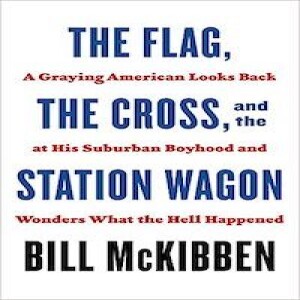
Vermont author, educator, environmentalist, and Co-founder of 350.org and Th!rd Act Bill McKibben, in a conversation about his 2022 memoir, The Flag, the Cross, and the Station Wagon: A Graying American Looks Back at His Suburban Boyhood and Wonders What the Hell Happened (Henry Holt & Co).
This week’s Write the Book Prompt was generously offered by my guest, Bill McKibben, and it’s a wonderful back-to-basics exercise that I love as our final prompt. Describe your childhood home. As you heard, Bill’s looked like a square with a triangle on top. What would you remember and share if you were to write about yours?
Good luck with your work in the coming week.
Music Credit: Aaron Shapiro
Final Show: #772
Mar 17, 2023
Mar 17, 2023
56 min
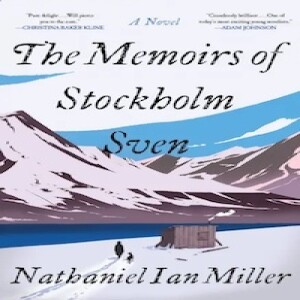
Vermont Author Nathaniel Ian Miller in a conversation about his novel, The Memoirs of Stockholm Sven (Little Brown).
This week’s Write the Book Prompt was generously offered by my guest, Nathaniel Ian Miller, who recently heard someone extoll the virtues of writing about one’s work. Nathaniel commented that he liked this idea, and that he would like to see more of it. The supposedly mundane aspects of a job, the things you might consider boring about your work, might be full of detail and very rich for readers. So this week, give it a try: write about work.
Good luck with your work in the coming week, and tune in next week for another prompt or suggestion.
Music Credit: Aaron Shapiro
771
Feb 27, 2023
Feb 27, 2023
51 min
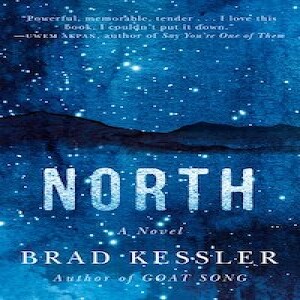
Award-winning Vermont Author Brad Kessler in conversation about his 2021 novel, North (Overlook Press).
One review of Brad Kessler’s work, a blurb by the author Chris Abani, mentions the way that Brad lets his characters’ dignity lead the story. I love this observation, and have been thinking a lot about it. This week’s Write the Book Prompt is to consider the dignity of your characters, no matter what their goals, obstacles, or plight. Consider their dignity as you work to make them real, honest, not caricatures of good or bad. Keep their dignity in mind as you try to find your way, and help them find theirs.
Good luck with your work in the coming week, and tune in next week for another prompt or suggestion.
Music Credit: Aaron Shapiro
770
Feb 23, 2023
Feb 23, 2023
44 min
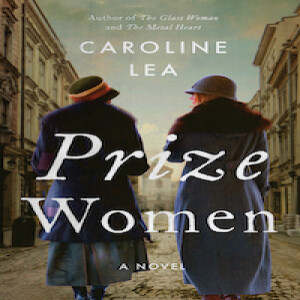
British Author Caroline Lea, whose new novel is PrizeWomen (Harper Perennial).
This week's Write the Book Prompt was suggested by my guest, Caroline Lea. It's an assignment she sometimes gives to her students. Go somewhere you wouldn't normally go, and write about it. (Don’t get arrested, she says. Or if you do, don’t blame her!) Her students have visited cemeteries, they've gone to other dorms and spoken with students they wouldn’t usually speak to. Caroline says that there's something about putting yourself in a different space or hopefully a slightly uncomfortably position that forces something often very brilliant into your writing.
Good luck with your work in the coming week and please tune in next week for another prompt or suggestion.
Music Credit: Aaron Shapiro
769
Feb 23, 2023
Feb 23, 2023
57 min
An interview from 2015 (with our old music!) with literary agent Emily Forland, of the Brandt Hochman Agency in New York.
Feb 6, 2023
Feb 6, 2023
42 min
Vermont Author Annie Seyler, whose debut novel is The Wisdom of Winter (Atmosphere Press).
This week's Write the Book Prompt was generously offered by my guest, Annie Seyler. Identify a moment from your childhood that shaped you somehow and write it out as a scene, but with a different ending or outcome than the way you lived it.
Good luck with your work in the coming week, and tune in next week for another prompt or suggestion.
Music Credit: Aaron Shapiro
767
Jan 30, 2023
Jan 30, 2023
41 min
Olena Kharchenko and Michael Sampson, co-authors The Story of Ukraine (Brown Books Kids).
We have two Write the Book Prompts this week. Michael Sampson offered one that seemed rather dark, so he turned it on its head and offered another that’s more upbeat. First, describe a nightmare you’ve had, including setting and details that explain why it is so terrifying. Second, look into the future and write about the happiest day you can imagine, including the location, and making your emotions come alive in your descriptions.
Good luck with your work in the coming week, and tune in next week for another prompt or suggestion.
Music Credit: Aaron Shapiro
766
Jan 24, 2023
Jan 24, 2023
58 min
Award-winning science writer and journalist Jessica Nordell, author of The End of Bias: A Beginning (Metropolitan).
This week's Write the Book Prompt was generously suggested by my guest, Jessica Nordell, who points out that observing our own bias can be a challenge. She suggests considering, What would you write if you could be certain that you had infinite love and acceptance - if you didn't have to worry about others' love and acceptance going away? What would you write if you felt that free?
Good luck with your work in the coming week, and tune in next week for another prompt or suggestion.
Music Credit: Aaron Shapiro
765
Jan 9, 2023
Jan 9, 2023
54 min
Fall 2022 Green Mountain Book Festival panel on Mysteries and Thrillers, moderated by Rachel Carter and featuring authors Miciah Bay Gault, Margot Harrison, Sarah Stewart Taylor, and Sarah Strohmeyer.
This week’s Write the Book Prompt is to play two truths and a lie with a few writing friends. Think of the three scary stories to tell: two that are true and one, a lie. Let the game with friends be fun, but also let it fuel and energize your writing in the coming week and beyond!
Good luck with your work in the coming week, and tune in next week for another prompt or suggestion.
Music Credit: Aaron Shapiro
764
Jan 6, 2023
Jan 6, 2023
50 min
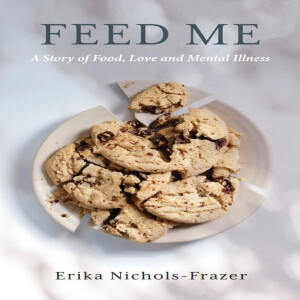
Vermont Author Erika Nichols-Frazer, speaking about her new memoir, Feed Me: A Story of Food, Love and Mental Illness (Casper Press).
This week's Write the Book Prompt was generously offered by my guest, Erika Nichols-Frazer. Feed Me is all about memories and food. Think of a food that holds some emotional significance: a pie you used to bake with your grandmother, something that you eat on special occasions, maybe something you've discovered in your travels. Describe that food in all its sensory details—the tastes, smells, textures—as well as you can, and connect that with the the emotions you feel when you eat that food as well as the circumstances: what's around you, where you are, who's there. See where that takes you.
Good luck with your work in the coming week, and tune in next week for another prompt or suggestion.
Music Credit: Aaron Shapiro
762
Dec 20, 2022
Dec 20, 2022
47 min
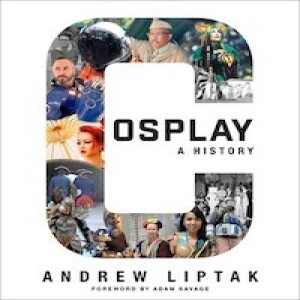
Vermont Author Andrew Liptak, whose recent book is Cosplay: A History: The Builders, Fans, and Makers Who Bring Your Favorite Stories to Life (Saga Press).
This week’s first Write the Book Prompt won’t surprise you, if you listened to the interview. Dress in costume and write about the person you see yourself representing. If you have a costume that works for a character you’re working on, great. If not, try to change one thing about your appearance to help you access that character. Does he have a mustache and you do not? Stick on a fake, or draw one above your lip. Does she wear a tiara, pencil skirts, stilettos, sandals, penny loafers? Find something you can try on and see if it helps you embody the person you are trying to get right on the page. Maybe a character you’re working on is on vacation, and he dresses like any number of other men - nothing really worthy of being labeled a costume. But as he’s away from work for a while, you might try to write with a tie, to get a feel for what he’s presently released from, and then wear a collared shirt with the top button undone. Maybe that will give you some idea of how he feels, physically, at this stage in his life.
Andrew Liptak kindly sent in a prompt as well, one that I really like. Take a favorite character, and then go back three generations to their great-great-grand parents. What personality / family / traits or habits does your character have that might have originated from their ancestors?
Good luck with your work in the coming week, and tune in next week for another prompt or suggestion.
Music Credit: Aaron Shapiro
761
Dec 20, 2022
Dec 20, 2022
51 min
Fall 2022 Green Mountain Book Festival panel on Nonfiction, moderated by Shelagh and featuring authors Brian Michael Murphy, Sandra Matthews, Jessica Nordell, and Erik Shonstrom.
This week’s Write the Book Prompt is to try your hand at writing a nonfiction essay about something that has lately been on your mind: perhaps a news item, a weather event, or a personal experience. Include details and facts that you find through research, and present them as objectively as you can. Decide if you might like your opinions and personal experiences into the piece; does that feel organic to the work? If you are writing about war and you have experience serving in the armed forces, that may feel entirely right. If you are writing about climate change and you survived a hurricane, that could likely inform the piece. Consider ways to frame the work that fit thematically with the subject. For example, if you are writing about weather, imagine how various weather patterns might inform a structure for what you are attempting. Finally, watch for places where perhaps your research upends your expectations and takes you in an unexpected direction, something our panelists discussed during the Green Mountain Book Festival. What can you do then? Can this perhaps improve the piece? How?
Good luck with your work in the coming week, and tune in next week for another prompt or suggestion.
Music Credit: Aaron Shapiro
760

Dec 20, 2022
Dec 20, 2022
57 min
An interview from the archives with cancer survivor, yoga teacher and author Tari Prinster. We discuss her 2014 book Yoga for Cancer: A Guide to Managing Side Effects, Boosting Immunity, and Improving Recovery for Cancer Survivors (Healing Arts Press).
This week’s Write The Book Prompt is to spend five-to-ten minutes focusing on your breathing before you begin work. Breathe in through your nose, counting to 3 slowly. Hold at the top for two counts more. Then breathe out through your nose for 5 or 6 counts. Don't stress over the breathing. Rather, try to lose yourself in it.
Good luck with your work in the coming week and tune in next week for another prompt or suggestion.
Music Credit: Aaron Shapiro
759
Dec 1, 2022
Dec 1, 2022
21 min
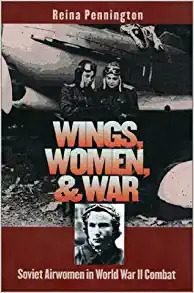
Our second NaNoWriMo check-in of the month is a conversation with Vermont Author Reina Pennington, military history expert and former Norwich University Professor.
This week's second Write the Book Prompt comes from Reina Pennington, who suggests writing with the same implement that your character might have written with. Not all the time, but at least once, give a quill a try. A fountain pen. An old manual typewriter. In Reina’s case, her characters in the pilot seat had to write on rough paper with a pencil, sharpened with a knife. They folded them into triangles to send, in lieu of envelopes. This is an original way Reina finds to connect with her characters, which I found a very cool suggestion!
Good luck with your work in the coming week, and tune in next week for another prompt or suggestion.
Music Credit: Aaron Shapiro
758
Dec 1, 2022
Dec 1, 2022
26 min
Vermont Poet and Publisher Samantha Kolber, of Rootstock Publishing.
One of this week's Write the Book Prompts comes from Samantha Kolber, who suggests writing for seven minutes without stopping. Put your pen to the page or your fingers to the keys, and have at it for seven minutes straight. Samantha loves this exercise and finds she comes up with great material by doing this: a draft poem that can be revised later.
Good luck with your work in the coming week, and tune in next week for another prompt or suggestion.
Music Credit: Aaron Shapiro
757
Nov 23, 2022
Nov 23, 2022
44 min
Angela Palm moderates this Fall 2022 Green Mountain Book Festival panel on Memoir, featuring fellow Vermont Authors Jay Parini, Brett Ann Stanciu, and former Governor Madeleine May Kunin.
This week’s Write the Book Prompt is to write a short memoir containing three things: the story of how you came to have your name, a recent dream you’ve had, and the way a certain color features in your life right now, the way Governor Madeleine May Kunin spoke on this panel about her Prius, and why it was important to her that it was "Barcelona Red."
Good luck with your work in the coming week, and tune in next week for another prompt or suggestion.
Music Credit: Aaron Shapiro
756

Nov 18, 2022
Nov 18, 2022
23 min
Local author and professor Dr. Millicent Eidson, who writes a series of novels concerning the work of fictional CDC veterinarian Dr. Maya Maguire. A regular NaNoWriMo participant, Millie spoke with me live on WBTV-LP about that experience.
This Write the Book Prompt was generously suggested by my guest, Dr. Millicent Eidson, who reminds us that conflict and challenges are important in our work. As an example, the weather has just changed from mid-70s to mid-30s. Our clocks have just changed again. Think about these and other changes that might present difficulties for your characters and write about that.
Good luck with your work in the coming week, and please tune in next week for another prompt or suggestion.
Music Credit: Aaron Shapiro
755
Nov 18, 2022
Nov 18, 2022
33 min
Live radio interview with Roseanne Montillo, author of Deliberate Cruelty (Atria Books).
Roseanne Montillo was kind enough to offer a Write the Book Prompt during our conversation. Keep a journal, recording both the trivial and mundane observations, but also details about your travels, your memories, your interpretation of favorite books.
Good luck with your work in the coming week and tune in next week for another prompt or suggestion.
Music Credit: Aaron Shapiro
754
Nov 9, 2022
Nov 9, 2022
50 min
Author Thomas H. McNeely, whose new collection is Pictures of the Shark: Stories (Texas Review Press).
This week’s Write the Book Prompt was generously suggested by my guest, Thomas H. McNeely, and it is drawn from our conversation. We talked about the objects that writers bring into stories, and the power that objects can hold. This week, consider doing one of two things as you work. First, write about objects that you remember from a certain period of your life. What did they mean to you at the time? Do you still have them? If not, what happened to them–do you know, or did they just disappear? What do they mean to you now? How might you use one of the important objects from your past in a story? Second, consider how you might use objects to help characters - as Thomas put it in our interview - reflect off of something. Allow that focus on an object to help them to express what they themselves probably could not express otherwise. For example, Buddy’s mother’s reaction to Richard Nixon. And Buddy’s own focus on a yellow leaf on black asphalt while he’s speaking with his father, an inconsistent and often duplicitous presence in his life.
Good luck with your work in the coming week, and tune in next week for another prompt or suggestion.
Music Credit: Aaron Shapiro
753
Nov 2, 2022
Nov 2, 2022
58 min
Writer, speaker and storyteller Gareth Higgins, author of how not to be afraid: Seven Ways to Live When Everything Seems Terrifying (Broadleaf Books).
Gareth Higgins was kind enough to allow me to share one of the invitations in his book, how not to be afraid, as this week’s Write the Book Prompt. The invitation is shared in full at the end of the podcast (as is a breathing exercise from the book, which we discuss during the interview). Here's a summary of the Invitation to Name Your Fears, in Gareth's words, but excerpted:
Sit still in a chair for ten minutes–or as long as it takes. Ask yourself, "What is it exactly that I'm afraid of?" Keep asking it until something like a satisfying answer comes. Write down or sketch your thoughts.
Put another chair in front of you and visualize the thing that's frightening you. Imagine this fear as if it were a person, describe them in detail, and perhaps even give them a name.
Step outside your usual pattern of relating to this fear.
...
While thinking of the personified fear, allow yourself to imagine the wounds and fears that such a person might have experienced and that led them to be the scary presence they manifest for you. What might they fear losing or have already lost? What might they care about with which you could empathize? ...
Again, write down or sketch what comes to you.
Good luck with your work in the coming week, and tune in next week for another prompt or suggestion.
Music Credit: Aaron Shapiro
752
Oct 25, 2022
Oct 25, 2022
38 min
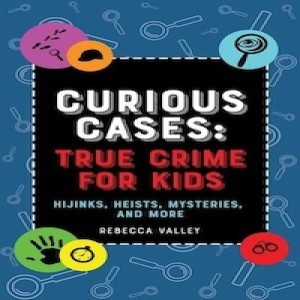
Vermont author and poet Rebecca Valley, author of the chapbook The Salvageman, whose new book is Curious Cases: True Crime for Kids - Hijinks, Heists, Mysteries and More (Bloom Books for Young Readers).
This week’s Write the Book Prompt was generously suggested by my guest, Rebecca Valley. Let a main character or a community about which you are writing grapple with an unsolved mystery. This mystery could be the main thrust of the story, or it could linger in the background, serving to amplify your characters, and possibly contributing to the ways in which they change.
Good luck with your work in the coming week, and tune in next week for another prompt or suggestion.
NaNoWriMo is coming! Get in touch if you'd like to come on the show to talk about how it's going for you.
Music Credit: Aaron Shapiro
751
Oct 20, 2022
Oct 20, 2022
59 min
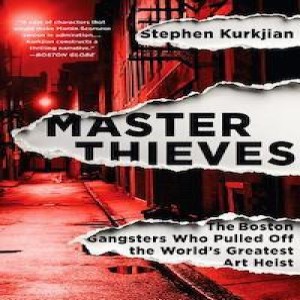
An interview from the archives with veteran Boston Globe Reporter Stephen Kurkjian, author of Master Thieves, the story of the the largest art theft in history, published by PublicAffairs.
This week’s Write the Book Prompt is to write 300 words about a theft that goes wrong in some way. The stolen items could involve art, jewels, people, pets, or even just penny candy. Who steals what and why? What goes wrong? Does this create a problem for the thief, or for the victim of the theft? Where does this take place? Who might have seen something? Did they tell anyone, or keep quiet? What happens to the stolen items, and how does the ordeal affect each of the involved characters?
Good luck with your work in the coming week, and tune in next week for another prompt or suggestion.
Music Credit: Aaron Shapiro
750
Oct 16, 2022
Oct 16, 2022
1hr 1 min
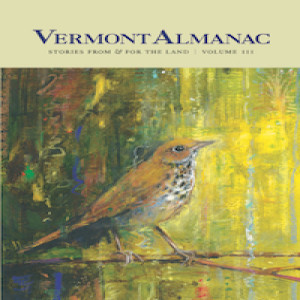
The editors of Vermont Almanac discuss their work. A recording of a Green Mountain Book Festival panel discussion featuring Virginia Barlow, Dave Mance III, and Patrick White.
This week’s Write the Book Prompt is to write about an insect or arachnid. We aren’t all as focused on insects as Virginia Barlow, but they are vital. This is a quote from the Florida Museum at the University of Florida: a diverse range of insect species is critical to the survival of most life on Earth, including bats, birds, freshwater fishes and even humans! Along with plants, insects are at the foundation of the food web, and most of the plants and animals we eat rely on insects for pollination or food. A couple of weeks ago I saw a praying mantis outside my front door. Last week, I photographed an amazing, scary-looking spider on my front walk. It turned out to be a shamrock spider. So, consider your favorite arthropod, and write about it.
Good luck with your work in the coming week, and tune in next week for another prompt or suggestion.
Music Credit: Aaron Shapiro
749
Sep 29, 2022
Sep 29, 2022
58 min
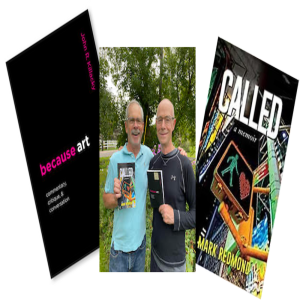
Guest Interviewer Kim MacQueen speaks with John Killacky, author of Because Art, and Mark Redmond, author of Called, both published by Onion River Press.
Last week the Green Mountain Book Festival came to Burlington and it was a fantastic event! I'm on the board. As the festival plans for next year, we'd love to hear ideas for panels. So your Write the Book Prompt this week is to write to me (Shelagh) and share your panel ideas! Thanks so much.
Good luck with your work in the coming week and please tune in next week for another prompt or suggestion.
Music Credit: Aaron Shapiro
748
Sep 26, 2022
Sep 26, 2022
48 min
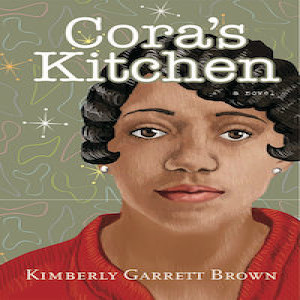
Writer, editor and photographer Kimberly Garrett Brown, whose new book is Cora's Kitchen (Inanna Publications).
This week’s Write the Book Prompt is to consider an unlikely friendship. Who are the individuals and why would a friendship between them be unexpected? How do they meet? Are they in the same town, on vacation, at a rest area, in a nursing home? Do they hit it off from the start, or do they find common ground gradually? Consider these questions and these characters, find a setting that perhaps enhances the specific challenges of their relationship, and write. Good luck with your work in the coming week, and tune in next week for another prompt or suggestion.
Music Credit: Aaron Shapiro
747
Sep 16, 2022
Sep 16, 2022
47 min
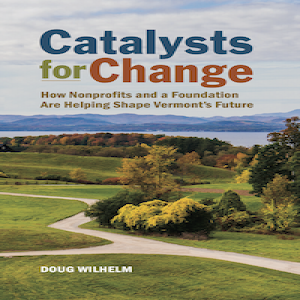
A new interview with Vermont author Doug Wilhelm about his nonfiction book, Catalysts for Change: How Nonprofits and a Foundation Are Helping Shape Vermont's Future (Rootstock).
This week’s Write the Book Prompt was kindly suggested by my guest, Doug Wilhelm, who thinks about stories all the time. Find one observation: something you’ve overhead or seen, and make a story from it. This can be a piece of conversation or part of an argument, an interesting person who stood out for some reason. Take note of this small observation, and start writing. Story involves tension, so see what tension might emerge from what you began with, and then see if the tension will resolve somehow.
Good luck with your work in the coming week, and tune in next week for another prompt or suggestion.
Music Credit: Aaron Shapiro
746
Sep 16, 2022
Sep 16, 2022
1hr 4 min
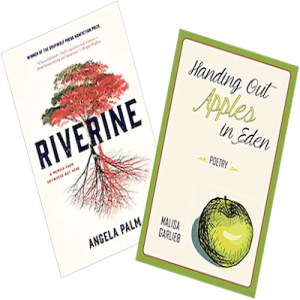
Two interviews from the archives - with our old music! - with Vermont author and editor Angela Palm and Vermont poet Malisa Garlieb. Angela Palm's collection Riverine: A Memoir from Anywhere but Here won the Graywolf nonfiction award, was an Oprah.com pick for "Powerful Memoirs by Powerful Women," an Indie Next List pick, and A Kirkus Best Book in 2016. Poet Malisa Garlieb's work has appeared in Qu, RHINO Poetry, Rust + Moth, Rathalla Review, Tar River Poetry, Calyx, Painted Bride Quarterly, So to Speak, Gyroscope Review, Cold Lake Anthology and many many more. Her poetry collection, Handing Out Apples in Eden., was published in 2014 by Wind Ridge Books of Vermont.
This week's Write the Book Prompt, as we approach Banned Books Week is to buy, read, and write about a banned book and the effects of book banning.
Good luck with your work in the coming week, and tune in next week for another prompt or suggestion.
745
Aug 30, 2022
Aug 30, 2022
53 min
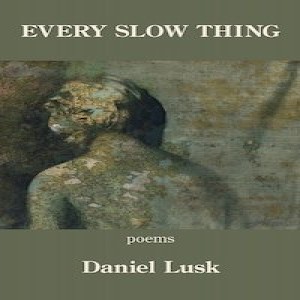
Vermont Poet Daniel Lusk, who's new collection is Every Slow Thing (Kelsay Books).
This week’s Write the Book Prompt is to consider what Daniel calls his “farthings,” tiny Zen-like poems that share wit, irony, natural beauty, and wisdom. Here are a few of his, kindly shared with us:
So those are a few of Daniel Lusk's "Farthings." The new collection Farthings is published by Yavanika Press. See if you can come up with some of your own.
Good luck with your work in the coming week, and tune in next week for another prompt or suggestion.
Music Credit: Aaron Shapiro
744
Aug 18, 2022
Aug 18, 2022
43 min
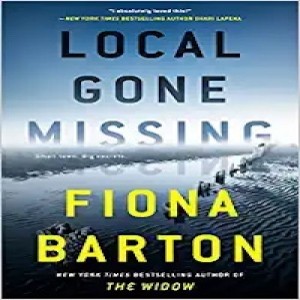
New York Times bestselling author Fiona Barton, whose new novel is Local Gone Missing (Berkley).
This week’s Write the Book Prompt is to write about an altercation between someone who lives full time in a small town and a visitor, seasonal homeowner, or tourist. What sets them off and what preceded the incident for each of them? How does the full-time resident feel about outsiders before this event, and what changes?
Good luck with your work in the coming week, and tune in next week for another prompt or suggestion.
Music Credit: Aaron Shapiro
743
Aug 9, 2022
Aug 9, 2022
39 min
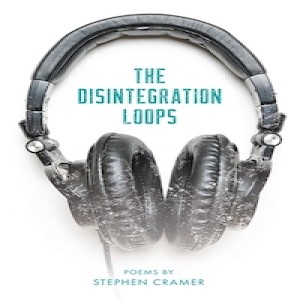
An interview from the archives (with our old music!) with Vermont poet and UVM Professor Stephen Cramer. We discussed his book From the Hip: A Concise History of Hip Hop (in sonnets). Since that time, Stephen has published a number of other books. His latest collection, The Disintegration Loops, "attempts to uncover the music within the world's dissolution and fragmentation, from Italian masters painting over the work of previous artists, to the innocence of childhood giving way to scars, to the description of badly stored tapes being looped and played over and over again until they begin to flake."
This week’s Write the Book Prompt is to consider the world's "dissolution and fragmentation" and write about something that changes with time, for better or for worse.
Good luck with this exercise and please listen next week for another.
Music Credit: Aaron Shapiro
743
Aug 4, 2022
Aug 4, 2022
33 min
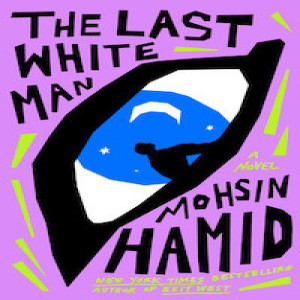
A new interview with the author Mohsin Hamid, whose latest novel is The Last White Man (Riverhead).
This week’s Write the Book Prompt is to write about a drastic change in a character’s life - even something unlikely or impossible - that changes their world in some way, bringing both difficulty and relief.
Good luck with your work in the coming week, and tune in next week for another prompt or suggestion.
Music Credit: Aaron Shapiro
742
Jul 28, 2022
Jul 28, 2022
42 min
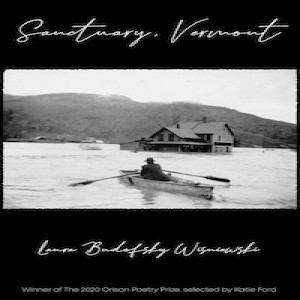
Vermont poet Laura Budofsky Wisniewski, the author of Sanctuary, Vermont (Orison).
This week’s Write the Book Prompt was generously suggested by my guest, Laura Budofsky Wisniewski. Set a timer and start writing. Do not stop. Even if you have to occasionally write the same word over and over until the next word comes, keep it up. When the timer goes off at whatever point you designated - two minutes, five minutes, twenty - stop writing. If what you were creating was poetry, use the next little while to make line breaks in the piece. Then delete everything that’s not interesting and see what you have come up with.
Good luck with your work in the coming week, and tune in next week for another prompt or suggestion.
Music Credit: Aaron Shapiro
741

Jul 21, 2022
Jul 21, 2022
59 min
Vermont photographer and writer across genres Shanta Lee Gander, whose debut poetry collection, Ghettoclaustrophobia: Dreamin of Mama While Trying to Speak Woman in Woke Tongues (Diode Editions), won the Vermont Book Award for Poetry in 2021.
This week’s Write the Book Prompt was generously suggested by my guest, Shanta Lee Gander, who mentioned her own version of this during our conversation.
What are your impossible things that are all true?
The Shenanigans List
“Alice laughed. 'There's no use trying,' she said. 'One can't believe impossible things.' I daresay you haven't had much practice,' said the Queen. 'When I was your age, I always did it for half-an-hour a day. Why, sometimes I've believed as many as six impossible things before breakfast. There goes the shawl again!”
Are there funny things that people in your life have shared or things that they say? For Shanta, the shenanigans list includes real vignettes and quotes of the ridiculous, the absurd and the most surreal things that usually has one thinking, "This is so good, I can't make this up."
For this prompt, and perhaps as an ongoing practice, think about quotes, funny things and quirky things and start your own list of the impossible, the bizarre and surreal. Start a shenanigans list; you'll be surprised at the material it may provide in the future for other writing!
Good luck with your work in the coming week, and tune in next week for another prompt or suggestion.
Music Credit: Aaron Shapiro
740
Jul 12, 2022
Jul 12, 2022
55 min
An interview from the archives with novelist and story writer J. Robert Lennon. We discussed his story collection, See You in Paradise, published by Graywolf Press. Last year he published two more books with Graywolf, a novel called Subdivision and a story collection, Let Me Think.
This week’s Write the Book Prompt is to write a paragraph about a moment that takes place in a park. Maybe a dog breaks free of her leash and runs away from her owner. Write about whatever moment you choose to present. Then write the paragraph again from two different perspectives. Perhaps that of the dog, or another dog, a person who feeds birds from a bench, a person who sleeps on that bench at night, a policeman, a young child in a stroller, that child’s grandfather, who is taking her for a walk. See what happens to the moment you’re creating when you let it be seen through these varied perspectives.
Good luck with your work in the coming week, and tune in next week for another prompt or suggestion.
Music Credit: Aaron Shapiro
739
Jul 12, 2022
Jul 12, 2022
58 min
An interview from the archives with award winning writer, educator and translator Wendy Call.
This week’s Write the Book Prompt is to choose one of the following sentences, and translate it into a language of your own design.
Pick one of these sentences, or really any sentence you come up with, and translate it into a language of your own invention. Make up sounds that feel like these sounds, shape them into words, see what other sentences come out of your unusual translation. Try to create a sense of the sentence that another reader might come close to understanding, if not intellectually. Sure, it might be nonsense, but it might feel just right, too.
Good luck with your work in the coming week, and tune in next week for another prompt or suggestion.
Music Credit: Aaron Shapiro
738
Jun 27, 2022
Jun 27, 2022
58 min
An interview with Pulitzer-Prize winning author Jennifer Egan about her new novel The Candy House (Scribner).
This week’s Write the Book Prompt was generously suggested by my guest, Jennifer Egan—an exercise she assigns her students that she says has been helpful. Imagine yourself in a physical place, such as a room that you know well from an earlier point of your life. Describe what is to your left. What’s to the right? Is there a drawer open? What's inside the drawer? Move through the space mentally, looking in every direction, looking out the window and under the rugs. The second part of the prompt is to write about who comes into the space and what they do or say. Because physical spaces lead to people, and quickly. Jennifer says the real wonder of this is to see how much detail we retain. And it’s also a way of defying the fragmentation of memory. If we imagine ourselves in a space, how much we can recall about tiny particulars of that place? And then who comes in, and what are they moved to do there?
Good luck with your work in the coming week, and tune in next week for another prompt or suggestion.
Music Credit: Aaron Shapiro
737

Jun 20, 2022
Jun 20, 2022
52 min
An interview with 2019 Quill Prose Prize winner, Carlos Allende, about his novel, Coffee, Shopping, Murder, Love (Red Hen Press).
This week’s Write the Book Prompt was generously suggested by my guest Carlos Allende. Create a character that does something reprehensible or immoral. The person can be anyone: from a child who broke the rules to a serial killer. Make that character sympathetic by making their pain salient and undeserved, so that the reader feels compassion for him or her.
Good luck with your work in the coming week, and tune in next week for another prompt or suggestion.
Music Credit: Aaron Shapiro
736
Jun 15, 2022
Jun 15, 2022
47 min
Author Jori Lewis, whose debut nonfiction book is Slaves for Peanuts (The New Press).
This week’s Write the Book Prompt was generously suggested by my guest, Jori Lewis. If you’re working on something and it’s not moving along well, try changing the perspective. And in doing this, keep in mind the way one focuses a camera: focus in, pull out.
Good luck with your work in the coming week, and tune in next week for another prompt or suggestion.
Music Credit: Aaron Shapiro
735
Jun 10, 2022
Jun 10, 2022
45 min
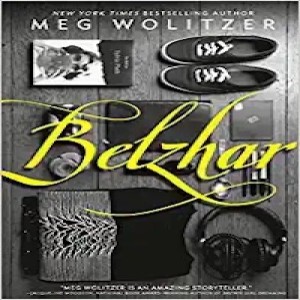
An interview from the archives with bestselling author Meg Wolitzer, about her novel for young adults, Belzhar (Dutton Books for Young Readers). One of her latest projects is hosting Selected Shorts at New York's Symphony Space, hosted by Public Radio International.
Seedlings, soil, compost, fertilizer. It’s gardening season. This week’s Write the Book Prompt is to write about a garden. Perhaps a small mystery: a missing plant, a wrong fruit, an illegally felled tree. If a mystery doesn’t inspire you, maybe write a poem or a scene that takes place in a secret or famous garden. Or a former garden, paved over and turned into a parking lot.
Good luck with your work in the coming week, and tune in next week for another prompt or suggestion.
Music Credit: Aaron Shapiro
734
Jun 1, 2022
Jun 1, 2022
15 min
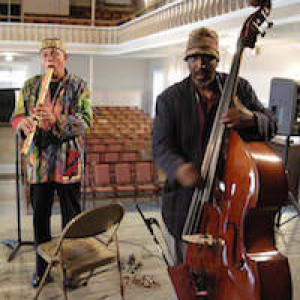
This month, the words of celebrated Vermont poet David Budbill take center stage in Sutras for a Suffering World, a concert featuring Vermont and New York artists and music by composers William Parker, Erik Nielsen, and Evan Premo. I spoke with Vermont artists Lois Eby and Nadine Budbill, wife and daughter of the late David Budbill, about these concerts.
As literary executor of David Budbill's estate, Nadine Budbill once said of her father's book, Broken Wing, that it was "the ultimate culmination of his legacy—encouraging all of us to slow down, to notice, to contemplate, to honor, to engage, to love and mourn and be fully alive." For a new Write the Book Prompt, try to write with these goals in mind: slowing down, noticing, contemplating, honoring, engaging, loving, mourning, and being fully alive.
Good luck with your work in the coming week, and tune in next week for another prompt or suggestion.
Music Credit: Aaron Shapiro
733
Jun 1, 2022
Jun 1, 2022
33 min
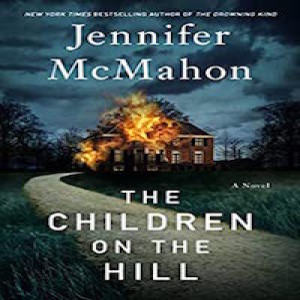
Vermont Author Jennifer McMahon, whose new novel is The Children on the Hill (Simon & Schuster).
Jennifer's recent reads include:
The Fervor, by Alma Katsu
My Heart Is a Chainsaw, by Stephen Graham Jones
At its heart, The Children on the Hill is an exploration of monsters and monstrousness. So my writing prompt is to create your own monster!
What type of monster is it? Does it have a name? What does it look like? What does it sound like? Where does your monster live? Who can see it? What does your monster eat? What special abilities does it have? Can it run fast? Is it super strong? Can it hibernate for years? What does your monster want most? What’s stopping your monster from getting it? What is your monster most afraid of?
Now, write two scenes, the first from the point of view of a person (maybe a character you’ve already been working with) coming across your monster. Where do they meet? Is your monster a danger to this character? How does your character feel about this creature?
Write the same scene from the monster’s point of view. What is the monster thinking and feeling? Is your monster afraid of the person, or is it longing for connection? Or is it just really, really hungry?
Good luck with your work in the coming week, and tune in next week for another prompt or suggestion.
Music Credit: Aaron Shapiro
732
May 17, 2022
May 17, 2022
54 min
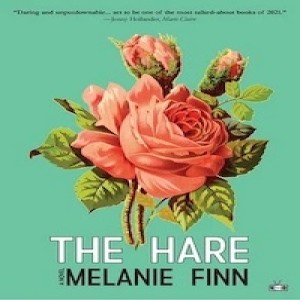
Melanie Finn, winner of the Vermont Book Award in Fiction 2021, and author of The Hare (Two Dollar Radio).
Melanie's favorite recent reads include:
This week's Write the Book Prompt was generously suggested by my guest, Melanie Finn, who recommends starting "outside the box" when it comes to building character. For her protagonist Rosie, the sense of smell is a strong guide; she's really aware of how things smell. When you consider your own characters, think about all their senses: color and sound, but also how a character might feel the sensation of silk or wet grass. Melanie says that sometimes we get caught up with the obvious—what is seen or heard—and forget to convey the world through all the senses.
Good luck with your work in the coming week, and tune in next week for another prompt or suggestion.
Music Credit: Aaron Shapiro
731
May 11, 2022
May 11, 2022
1hr
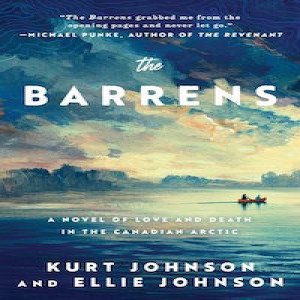
Kurt Johnson and his daughter, Ellie Johnson, who have collaborated on a new novel titled The Barrens: A Novel of Love and Death in the Canadian Arctic (Arcade).
This week I have two Write the Book Prompts to offer, thanks to the generosity of my guests. Kurt Johnson suggests writing a paragraph the beginning and end of which you know ahead of time. Allow the middle to be more stream of consciousness. Ellie suggests writing an adventure. This could be a story, or a scene, or the beginnings of something longer. Pick an area of the world where a character is camping, and write about what goes wrong.
Good luck with your work in the coming week, and tune in next week for another prompt or suggestion.
Music Credit: Aaron Shapiro
730
May 8, 2022
May 8, 2022
42 min
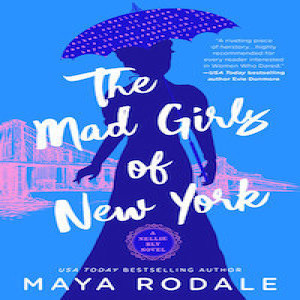
Maya Rodale, best-selling and award-winning author of funny feminist historical fiction and romance. Her latest novel is Mad Girls of New York (Berkley).
This week’s Write the Book Prompt was suggested by my guest, Maya Rodale, who said it was inspired by our conversation. Take this scenario and write it forward:
She was in a rush to get downtown–the sooner the better and definitely before it was too late. But when she turned onto Broadway, what she saw shocked her. She would not be getting downtown any time soon …
Good luck with your work in the coming week, and tune in next week for another prompt or suggestion.
Music Credit: Aaron Shapiro
729
May 2, 2022
May 2, 2022
39 min
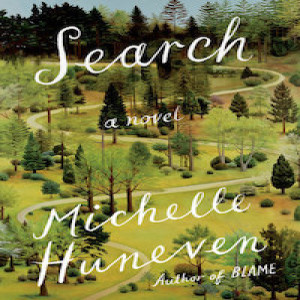
Michelle Huneven's latest is Search, a funny novel about a congregational search committee, told as a memoir with recipes (Penguin).
This week’s Write the Book Prompt comes from Michelle Huneven’s book, Search. It’s one that the search committee is offered when they begin working with the consultant named Helen:
IMAGINE YOUR LIFE AS A MOVIE THAT YOU’VE STEPPED OUT OF TO BE HERE TODAY. WHAT’S THE TITLE? THE SETTING? THE PLOT?
Good luck with your work in the coming week, and tune in next week for another prompt or suggestion.
Music Credit: Aaron Shapiro
728
Apr 30, 2022
Apr 30, 2022
54 min
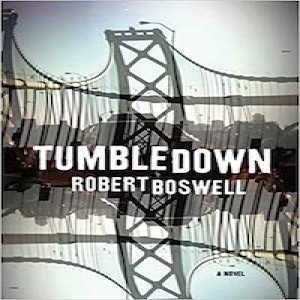
An interview from the archives - complete with the old music! - with Robert Boswell, award-winning author of seven novels, including Tumbledown (Graywolf Press).
Robert Boswell published a book on craft in 2008, The Half-Known World. In this book, he details how important it is for writers to give themselves over to what he calls the "half-known world" of fiction, where surprise and meaning converge. Consider this in terms of an exercise: this week's Write the Book Prompt is to think about surprise converging with meaning.
An example of my own: a driver stops at a quick mart due to a mundane but necessary need: coffee, perhaps, or a bathroom break. Who might she meet or run into there? How does this affect her day, or the trip she's embarking on? Did she want to be seen? Has this person affected her life in the past? How will this encounter affect the story?
Consider this week how surprise might come up against meaning in your own work, offering an opportunity to change the narrative in a valuable way.
Good luck with this exercise and please listen next week for another.
Music credits: 1) “Dreaming 1″ - John Fink; 2) “Filter” - Dorset Greens (a Vermont band featuring several former South Burlington High School students, now alums).
727
Apr 30, 2022
Apr 30, 2022
45 min
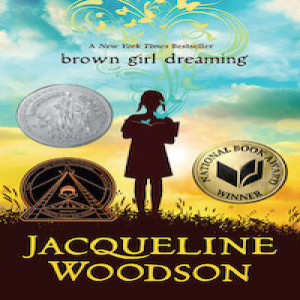
An interview from the archives with Jacqueline Woodson, about her National Book Award winning memoir-in-verse, Brown Girl Dreaming (Nancy Paulsen Books).
Have you ever tried to write a story in verse? Not necessarily a long story. Maybe an anecdote you would share with a friend about something that happened to you on a random Monday afternoon. This week’s Write the Book Prompt is to consider a story from your life, and write about it in verse. If it will help, set yourself some rules before you begin. If you don’t like rhymes, don’t worry about rhymes. You can make your verse fit some syllabic intention, you can create a pantoum, in which the last line is often the same as the first, or an abecedarian, which spells out the alphabet, word by word or line by line. There are many ways to write verse, and the poet is in charge.
Good luck with your work in the coming week, and tune in next week for another prompt or suggestion.
Music Credit: Aaron Shapiro
726
Apr 11, 2022
Apr 11, 2022
52 min
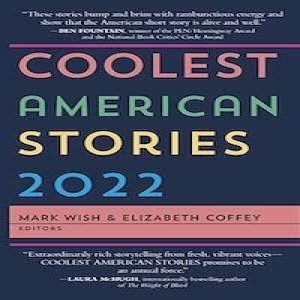
Mark Wish and Elizabeth Coffey, editors of a new anthology: Coolest American Stories 2022 (Coolest Stories Press). This year marked the inaugural publication of the book, which will come out each January.
This week’s Write the Book Prompt is actually a publishing prompt (because we all know how hard it is to send out work once we've written it). Polish up your coolest, most twisty-turny story, make a list of 15 publications you think might make a good match for that story, and send it to three at a time until someone acknowledges your cool with an acceptance. After which, being a good person, you will let the others know you’ve found a home for your cool story. OR submit it to Coolest American Short Stories 2023; hey, you never know!
Good luck with your work in the coming week, and tune in next week for another prompt or suggestion.
Music Credit: Aaron Shapiro
725
Apr 9, 2022
Apr 9, 2022
59 min
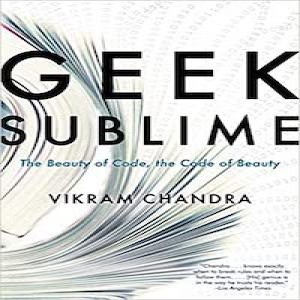
A conversation from the archives with the author Vikram Chandra about his nonfiction book, Geek Sublime: The Beauty of Code, the Code of Beauty (Graywolf Press).
This week’s Write the Book Prompt is to include a few (let's say three) of the following items together in a story, scene, poem, or essay:
Good luck with your work in the coming week, and tune in next week for another prompt or suggestion.
Music Credit: Aaron Shapiro
724

Apr 9, 2022
Apr 9, 2022
43 min
An interview from the archives with local author and Queen City Ghostwalk Guide Thea Lewis about her book Haunted Inns and Ghostly Getaways of Vermont, published by The History Press.
This week’s Write the Book Prompt is to imagine a creepy scenario that has always frightened you. Maybe it has to do with going down into a basement, or up into an attic. Maybe it centers on a certain person who leaves you feeling unsettled. Are you afraid of water, of heights, of open spaces? Focus on one of your most haunting fears and consider how you might turn it around. If the idea of being up high frightens you, maybe write about a person who delights in great heights: a gymnast, or Phillipe Petit, who famously walked a tightrope strung between the twin towers in 1974. If you’re afraid of water, imagine being a long-distance swimmer. Write about this person’s attitude, and then midway into the piece, let your own phobia slip in and change what they are feeling or experiencing. What happens?
Good luck with your work in the coming week, and tune in next week for another prompt or suggestion.
Music Credit: Aaron Shapiro
723

Mar 23, 2022
Mar 23, 2022
1hr 2 min
An interview with Rachel Foster, co-founder and executive council co-chair of World Without Exploitation, who recently wrote an opinion piece in Vermont Digger: "Burlington controversy part of effort to decriminalize sex trade," and Mary Speta, Chief Impact Officer for Amirah, an organization offering help to survivors of sexual exploitation. This week's interview is not about a specific book, but the subject of Rachel's recent piece and what is happening around the commercial sex trade in Burlington and elsewhere.
This week's Write the Book Prompt concerns setting. Rachel Foster's other labor of love (which she also founded) is the Brooklyn Cat Cafe. One of the earliest cat cafes in the U.S., the Brooklyn Cat Cafe’s mission is to save Brooklyn’s cats by offering a hip and inviting destination where cat lovers of all ages can interact with adoptable animals – and one another. I love this idea, and I think it could be a great setting for a story, scene or poem. So… this week’s Write the Book Prompt is to write about a mix of humans and cats, and what happens to them on a random day in a cat cafe.
Good luck with your work in the coming week, and tune in next week for another prompt or suggestion.
Music Credit: Aaron Shapiro
722
Mar 23, 2022
Mar 23, 2022
37 min
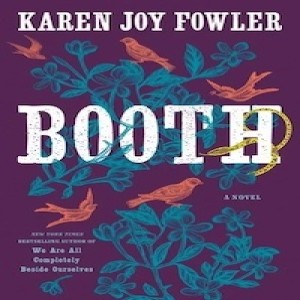
An interview with the author Karen Joy Fowler, whose new historical novel is Booth, which concerns the family behind one of the most infamous figures in American history: John Wilkes Booth. The book came out last week from Putnam.
This week’s Write the Book Prompt was generously offered by my guest, Karen Joy Fowler, who suggests picking one of the great emotions: fury, joy, envy, terror. Write a scene from your childhood in which you experienced that emotion, maybe, but not necessarily, for the first time. If you are in the midst of a fictional project, write the scene for one of your characters instead.
Good luck with your work in the coming week, and tune in next week for another prompt or suggestion.
Music Credit: Aaron Shapiro
721
Mar 23, 2022
Mar 23, 2022
1hr 43 sec
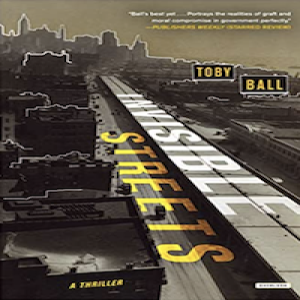
An archive interview (from my Radiator broadcast days!) from the archives with New Hampshire author Toby Ball, author of three crime novels published by Overlook Press: The Vaults, about which we spoke in 2010, Scorch City, which he wrote in 2011, and Invisible Streets the third in the series and the subject of this conversation.
This week’s Write the Book Prompt is to consider the following list of sentences and phrases, pick two, and put them in a story, scene, poem, or simple paragraph. Here they are:
* If she was going to argue all night…
* Keeping in mind the Pomeranian on the kitchen floor…
* Why not (a) Manhattan?
* His itching feet called to be released.
* Staring at the melting ice statue, he spoke very slowly.
Good luck with your work in the coming week, and tune in next week for another prompt or suggestion.
Music Credit: John Fink
720
Feb 28, 2022
Feb 28, 2022
58 min
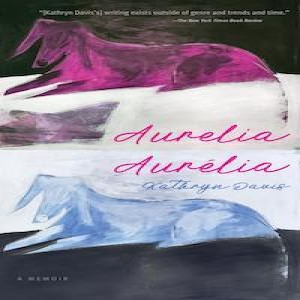
A new interview with Vermont Author Kathryn Davis, who has a memoir out: Aurelia, Aurélia (Graywolf Press).
This week’s Write the Book Prompt was generously offered by my guest, Kathryn Davis, who teaches a novel writing class, among others. They have undertaken the exercise in that class of writing a “faux” novel. Without overthinking it, come up with a title and ten chapter headings for an as yet unplanned non-existent novel. Then write one of the chapters - no more than three pages. You can keep it going if you want. Kathryn says it’s a great exercise, and in doing it alongside her students, she herself has come up with a lot of great material to use.
Good luck with your work in the coming week, and tune in next week for another prompt or suggestion.
Music Credit: Aaron Shapiro
719
Feb 23, 2022
Feb 23, 2022
58 min
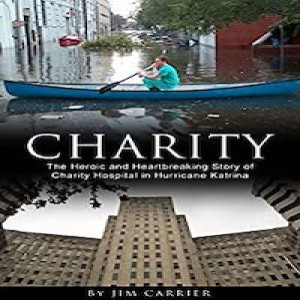
Vermont Author and Documentarian Jim Carrier, whose book Charity: The Heroic and Heartbreaking Story of Charity Hospital in Hurricane Katrina came out as an audiobook in 2021.
This week's Write the Book Prompt was inspired by my interview with Jim Carrier, whose book Charity tells the story of one hospital in one storm, through the closer detailed narratives of individuals who were caught up in the tragedy. Consider these famous catastrophic moments in history, and either research or imagine a single human story from the incident to write about. Write a scene, a story, a poem, or just a paragraph.
Good luck with your work in the coming week, and please listen next week for another prompt or suggestion.