Good luck with your work in the coming week, and please listen next week for another prompt or suggestion.
Music Credit: Aaron Shapiro

A writing podcast for writers and curious readers, featuring interviews with authors, poets, agents and editors. Twice chosen as one of Writer’s Digest Magazine’s 101 Best Website for Writers. Vermont-grown.

Wednesday Jun 15, 2022
Wednesday Jun 15, 2022
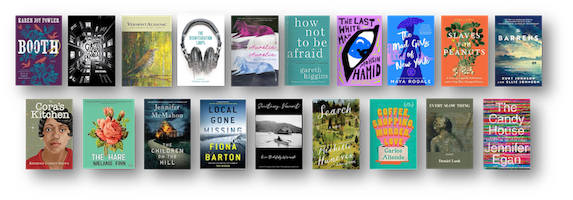
Author Jori Lewis, whose debut nonfiction book is Slaves for Peanuts (The New Press).
This week’s Write the Book Prompt was generously suggested by my guest, Jori Lewis. If you’re working on something and it’s not moving along well, try changing the perspective. And in doing this, keep in mind the way one focuses a camera: focus in, pull out.
Good luck with your work in the coming week, and tune in next week for another prompt or suggestion.
Music Credit: Aaron Shapiro
735

Friday Apr 19, 2019
Friday Apr 19, 2019
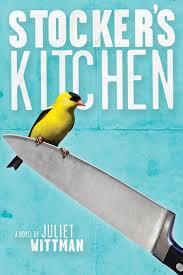
Author, Journalist and Critic Juliet Wittman, whose new novel is Stocker's Kitchen (Beck & Branch).
This week's Write the Book Prompt was generously offered by my guest, Juliet Wittman. In developing a new character, try writing a series of simple sentences about the person, to find out more about his or her life and nature. For example:
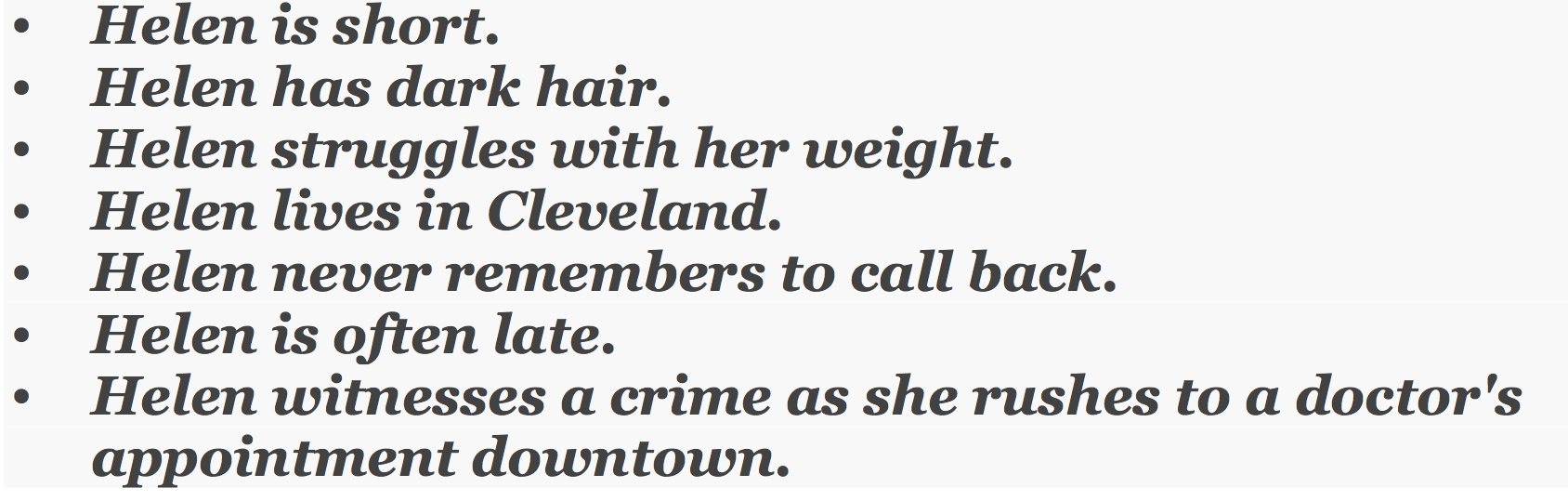
As you work, you may find the sentences becoming more complex and interesting, revealing important information about the character and possibly about his or her situation, guiding you toward your story.
Good luck with your work in the coming week, and tune in next week for another prompt or suggestion.
Music: Aaron Shapiro
Friday Oct 26, 2018
Friday Oct 26, 2018
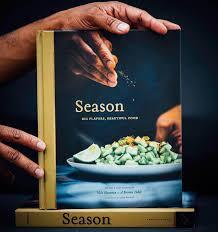
Guest Host Kim MacQueen speaks with Nik Sharma, the writer, photographer, and recipe developer behind the critically acclaimed blog, A Brown Table. His cookbook Season: Big Flavors, Beautiful Food, is just out. (Chronicle Books)
A quote from Nik Sharma that works well as another Write the Book Prompt this week: "I always write from my heart. I either want to share a personal story, or a story about an ingredient or a food so that people connect with it. ... I think it's okay to be vulnerable when you write."
Good luck with your work in the coming week, and please listen next week for another prompt or suggestion.
Music Credit: Aaron Shapiro
Wednesday Oct 24, 2018
Wednesday Oct 24, 2018
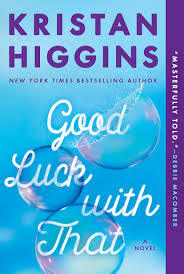
Bestselling Author Kristan Higgins, whose new novel is Good Luck With That (Berkley).
This week’s Write the Book Prompt was generously suggested by my guest, Kristin Higgans. You wake up in a strange room in a strange bed and there’s a stranger in the room. He knows you extremely well, and seems to assume you know him also. Write about what happens next.
Good luck with your work in the coming week, and please listen next week for another prompt or suggestion.
Music Credit: Aaron Shapiro

Wednesday Aug 22, 2018
Wednesday Aug 22, 2018
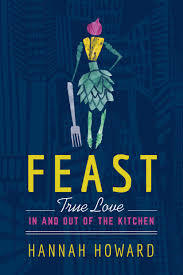
Kim MacQueen interviews Writer and Food Expert Hannah Howard, whose memoir, Feast: True Love in and Out of the Kitchen, was published earlier this year by Little A.
This week’s Write the Book Prompt is to write about someone who tries to pass off a dish as something he or she actually cooked, when that is not the case.
Good luck with your work in the coming week, and please listen next week for another prompt or suggestion.
Music Credit: Aaron Shapiro

Tuesday Nov 07, 2017
Tuesday Nov 07, 2017
Vermont author Adam Federman, whose new book is Fasting and Feasting: The Life of Visionary Food Writer Patience Gray (Chelsea Green).
This week’s Write the Book Prompt is to look for inspiration in a cookbook. So, for example, in my kitchen I do have the cookbook by Salvadore Dali, which is titled Les Diners de Gala. In opening the book, I find many things. Recipes like Lobster with Black Pearls, Ramekins of Frog’s Legs, and Tripe of Yesteryear. Maybe you’ll open a more tame cookbook, and find an inscription from a friend, reminding you of a long-ago birthday or anniversary. Maybe you’ll be inspired by a photograph of a lamb chop with mint jelly. Or maybe a recipe for turkey with roquefort will inspire you to write about a family celebrating thanksgiving in France. Whatever you find, let it be the way into this week’s writing.
Good luck with your work in the coming week, and please listen next week for another prompt or suggestion.
Music Credit: Aaron Shapiro

Wednesday Mar 01, 2017
Wednesday Mar 01, 2017
Interview from the archives with Paul Kindstedt, UVM Professor and Vermont Author of Cheese and Culture, A History of Cheese and Its Place in Western Civilization (Chelsea Green).
This week’s Write the Book Prompt is to find an interesting lens through which to tell a story. Today on the show, we’ve heard about the history of the world as seen through the development of cheese in various cultures. In mid-January, before joining WBTV, Write the Book featured an interview with Gregor Hens, whose new book Nicotine tells the story of his life seen through the lens of an addiction to cigarettes. What lens can you offer to tell a story in a particularly unique and engaging way?
Good luck with your work in the coming week, and please listen next week for another prompt or suggestion.
Music Credit: Aaron Shapiro

Tuesday Aug 30, 2016
Tuesday Aug 30, 2016
Posted in Writing, Politics, Activism, Creative Nonfiction, Meditation, Nonfiction, Environment,Food, Nature, History, Memoir, Farming, Essays, Health, gardening on Mar 15th, 2012
Vermont writer Tovar Cerulli, author of The Mindful Carnivore: A Vegetarian's Hunt for Sustenance, published by Pegasus Books.
Tovar Cerulli's website bio describes him as having had an "outdoorsy" boyhood. This week's Write The Book Prompt is to write about an outdoorsy experience.
Good luck with this prompt, and please listen next week for another!
Music credits: 1) “Dreaming 1″ - John Fink; 2) “Filter” - Dorset Greens (a Vermont band featuring several former South Burlington High School students).
Saturday May 23, 2015
Saturday May 23, 2015
Two interviews this week! The first, with former Williston Observer columnist, French-trained chef and memoirist Kim Dannies, whose new book is Everyday Gourmet. The second, with best-selling author Sue Monk Kidd, whose book, The Invention of Wings, has just come out in paperback from Penguin.
Good luck with this exercise, and listen next week for another.
Music credits: 1) “Dreaming 1″ - John Fink; 2) “Filter” - Dorset Greens (a Vermont band featuring several former South Burlington High School students.
Tuesday Sep 30, 2014
Tuesday Sep 30, 2014
2011 Interview with Vermont short story writer, Public Radio Commentator and businessman Bill Schubart about his collection, Fat People.
This week's Write the Book Prompt is to write honestly about what you perceive to be a physical imperfection of your own, and to find compassion in your description of that trait.
Good luck with this prompt and please listen next week for another.
Music credits: 1) “Dreaming 1″ - John Fink; 2) “Filter” - Dorset Greens (a Vermont band featuring several South Burlington High School students).

Thursday Jun 21, 2012
Thursday Jun 21, 2012
University of Vermont Professor Paul Kindstedt, author of Cheese & Culture: A History of Cheese and its Place in Western Civilization, published by Chelsea Green.
Today’s Write The Book Prompt is to write about a dining experience involving cheese. Use the words salt, linen, grated, and shadow.
Good luck with this prompt, and please listen next week for another!
Music credits: 1) "Dreaming 1″ - John Fink; 2) "Filter" - Dorset Greens (a Vermont band featuring several former South Burlington High School students).
Thursday Apr 19, 2012
Thursday Apr 19, 2012
Writer and Gardening Expert Charlie Nardozzi, author of Northeast Fruit and Vegetable Gardening, published by Cool Springs Press. Today's Write The Book Prompt was inspired by my conversation with Charlie Nardozzi. You're digging in your garden and you find something. What do you find? What's its history? What's it worth? What will happen to your life as a result of finding this item? Write a poem, a scene, a story, or a paragraph about it. Good luck with this prompt, and please listen next week for another! Music credits: 1) "Dreaming 1″ - John Fink; 2) "Filter" - Dorset Greens (a Vermont band featuring several former South Burlington High School students).
Thursday Mar 15, 2012
Thursday Mar 15, 2012
Vermont writer Tovar Cerulli, author of The Mindful Carnivore: A Vegetarian's Hunt for Sustenance, published by Pegasus Books. This week's Write The Book Prompt was suggested by my guest, Tovar Cerulli. Recall an experience with an animal, wild or domestic, from your childhood or teen years. Write the scene as you recall it, describing what occurred. Read your own description and consider: Are there additional layers of thought or feeling that are relevant? Do you want to work any of these into the scene? (Optional second round: Recall a more recent experience with an animal and write and consider that scene. What similarities or differences between the two scenes do you notice?) Good luck with this prompt, and please listen next week for another! Music credits: 1) “Dreaming 1″ - John Fink; 2) “Filter” - Dorset Greens (a Vermont band featuring several former South Burlington High School students).
Tuesday Mar 06, 2012
Tuesday Mar 06, 2012
Vermont author Mark Pendergrast, whose latest book is Japan's Tipping Point: Crucial Choices in the Post-Fukushima World.
Inspired by our guest Mark Pendergrast's interest in Japan, this week's Write The Book Prompt is to fold an origami crane. If you get stuck in your writing, or are simply wanting an activity that keeps you thinking, but not struggling, folding an origami animal might help. You'll still be engaged in a creative act, but you'll be following a set list of instructions, which might free the author in you to continue working away from the computer keyboard. Below are a few links to origami paper folding (all from the same site, which seemed easy to follow and not full of annoying ads). You can also print the Write The Book logo I've included below that for colorful folding paper. Or use a sheet from your recycle bin: maybe a rejected poem or scene can have a second life as a crane, a frog, or a flower.
Good luck with this prompt, and please listen next week for another!
Crane
Flower
Frog

Tuesday Feb 21, 2012
Tuesday Feb 21, 2012
Vermont organic gardener and writer Ron Krupp, whose books are The Woodchuck's Guide to Gardening and Lifting The Yoke: Local Solutions to America's Farm and Food Crisis. Today's Write The Book Prompt is to write about your eating habits or those of someone you know. You can journal about how those habits have changed for the better or worse, how education has played a role, whether organic and/or locally-grown foods are an important part of this person's diet, and why or why not. Good luck with this prompt, and please listen next week for another!
Wednesday Sep 28, 2011
Wednesday Sep 28, 2011
Ecologist and educator Amy Seidl, author of Early Spring: An Ecologist and Her Children Wake to a Warming World and Finding Higher Ground: Adaptation in the Age of Warming. Today's Write The Book Prompt was suggested by my guest, Amy Seidl. First, read over this passage from her book, Finding Higher Ground: "Peer into the natural world, one close at hand. Perhaps it is a city park whose paths are lined with oak or maple trees planted in the nineteenth century. Or maybe you are fortunate enough to walk in a remnant prairie with freshwater kettle ponds and migratory ducks, or an old-growth forest with trees whose gigantic trunks and canopies house thousands of species. Maybe you are walking in your own backyard, traversing an enclosed space that you've filled with daylilies, climbing roses, and garden beds filled with vegetables. All these places-the ones intended as sanctuary or refuge, the ones cultivated by gardeners, the wild places with no cultivators or patrons-all are experiencing the agitation of change." Having read that passage, follow Amy's advice. Gaze out at the natural world-whichever one you find inspiring or, as Amy says, close at hand-and consider what you see and the adaptive realities that exist there. Now write about what you noticed, and your reactions to these observations. Were you surprised, awed, worried, impressed? Describe the changing world as you witness it, and the adaptation represented in what you've seen, and then describe how it moves you. Good luck with this exercise and please listen next week for another.
Tuesday Jul 26, 2011
Tuesday Jul 26, 2011
Kristin Kimball, NY Farmer and Author of The Dirty Life: On Farming, Food, and Love. This week's Write the Book Prompt was suggested by my guest, Kristin Kimball. Write about your grandmother by describing her home. If you don't have a living memory of your grandmother, pick somebody else from your childhood who was very important to you, and describe that person by describing their home. Good luck with this exercise and please listen next week for another. Many thanks to the South Burlington Community Library for hosting this interview in front of an audience of their patrons! Music credits: 1) “Dreaming 1″ - John Fink; 2) “Filter” - Dorset Greens (a Vermont band featuring several South Burlington High School students).
Tuesday Jan 25, 2011
Tuesday Jan 25, 2011
Local Short Story Writer, Public Radio Commentator and Businessman Bill Schubart. His latest collection is Fat People. This week's Write the Book Prompt was included in the interview itself, but here it is again:
My guest, Bill Schubart, said during our talk, "I love stories. I grew up in a French Canadian family in Morrisville, VT, and everybody told stories all the time in French and English." He went on to say that we as a society are too distracted by technology, and we don't listen to each other as much as we used to. So ask your family members for their stories. Listen to their stories. Maybe even record them. You can then write about these stories, or you can just enjoy them. As Bill said, "...stories define us, in our communities [and] in our families."
Good luck with this prompt and please listen next week for another. Music credits: 1) “Dreaming 1″ - John Fink; 2) “Filter” - Dorset Greens (a Vermont band featuring several South Burlington High School students).Tuesday Dec 22, 2009
Tuesday Dec 22, 2009
Interview with Diane Imrie and Richard Jarmusz, co-authors of the new cookbook, Cooking Close To Home, and co-workers within Burlington, VT's Fletcher Allen Health Care Department of Nutrition Services. Prompt: This week's Write The Book Prompt was inspired by my guests, Diane Imrie and Richard Jarmusz. Their cookbook, Cooking Close To Home, has a focus on harvesting local foods. Richard says that, "Life is a harvest of good local foods." In keeping with this theme, today's prompt has to do, metaphorically, with harvesting that which we have, rather than looking far and wide to import experience into our writing. This week, write something from your own life experience. Even if your primary genre is fiction, pull something from your life, disguise it, and bring it into your work. Here are three ideas to get you started:
Tuesday Dec 15, 2009
Tuesday Dec 15, 2009
Interview with Deborah S. Schapiro, editor of the Vermont publication Edible Green Mountains. Prompt: Deborah Schapiro actually recommended two Write The Book Prompts for listeners.
1) Your first prompt this week has to do with recipes. Look at recipes and notice how they're written. You can look in cookbooks, magazines, your own index card file. Notice actual differences in recipes' structure and try to understand what the cooks who wrote them were focused on: ease of use, quick communication, tips for success? Did your grandmother guess at average quantities, or did she keep to very specific measurements? Does a certain famous chef suggest where you might find little-known ingredients? Does your favorite cookbook offer variations or keep to a set script? Some recipes are copied down as simple paragraphs, with ingredients embedded in the text. In others, ingredients are offered up front. Some are written in two columns, with ingredients on the left and instructions on the right. Edible Green Mountains delineates each step with a new paragraph indent, in hopes of keeping things simple.
After you study a few recipes, write a scene or a poem that attempts to emulate something about a recipe you've found. Then write it again, using another style of recipe for inspiration. What differs in your final products? Which do you prefer and why?
2) The second prompt suggested by Deborah also has two parts. First, consider a food memory. When Deborah was small, she would occasionally come home from school to find her mother in the kitchen making a Hungarian biscotti-like cookie. She recalls the warming scent of cinnamon, the crunch of cinnamon and sugar on top of the finished cookies. The glass of milk. All of these sensory memories evoke strong emotions for her as she thinks back.
Once you've identified a food memory of your own, consider a food-related poem or scene that moved you in a work of literature. Blueberries, by Robert Frost. Proust's famous madeleines. Just about every chapter in Like Water For Chocolate. Why did the scene or poem affect you as it did? If you were to try and write a food scene or poem of your own, what might you have learned from this work of literature that would help you? Now try to write about your food memory.
Good luck with these exercises and please listen next week for another. Music credits: 1) “Dreaming 1″ - John Fink; 2) “Filter” - Dorset Greens (a Vermont band featuring several South Burlington High School students)Monday Sep 14, 2009
Monday Sep 14, 2009
Interview with Vermont Writer Rowan Jacobsen Prompt: Today's Write The Book Prompt was inspired by the interview you heard with Rowan Jacobsen. In his book, The Living Shore, Rowan talks about children at play being "powerhouses of creativity." He refers to the science essayist Lewis Thomas, who suggests that earliest language was probably developed by children. In his book, The Fragile Species, Thomas writes, "...it probably began when the earliest settlements, or the earliest nomadic tribes, reached a sufficient density of population so that there were plenty of very young children in close contact with each other, a critical mass of children, playing together all day long." Today's prompt, then, is two-fold. First, try to let go of your adult sensibilities and get playful as you write. Because it is as children that we best access the possibilities of language. The second part of today's prompt is about oysters. Recall Jonathan Swift's words: "He was a bold man that first eat an oyster." Write about that person. What was his or her situation and state of mind, to be that bold? Good luck with this exercise and please listen next week for another! Music credits: 1) “Dreaming 1″ - John Fink; 2) “Filter” - Dorset Greens (a Vermont band featuring several South Burlington High School students)